
AO Boss Claims Reeves\’ Tax Hike and Workers\’ Rights Bill Harm UK Businesses
The Struggle of British Businesses Against Rising Costs
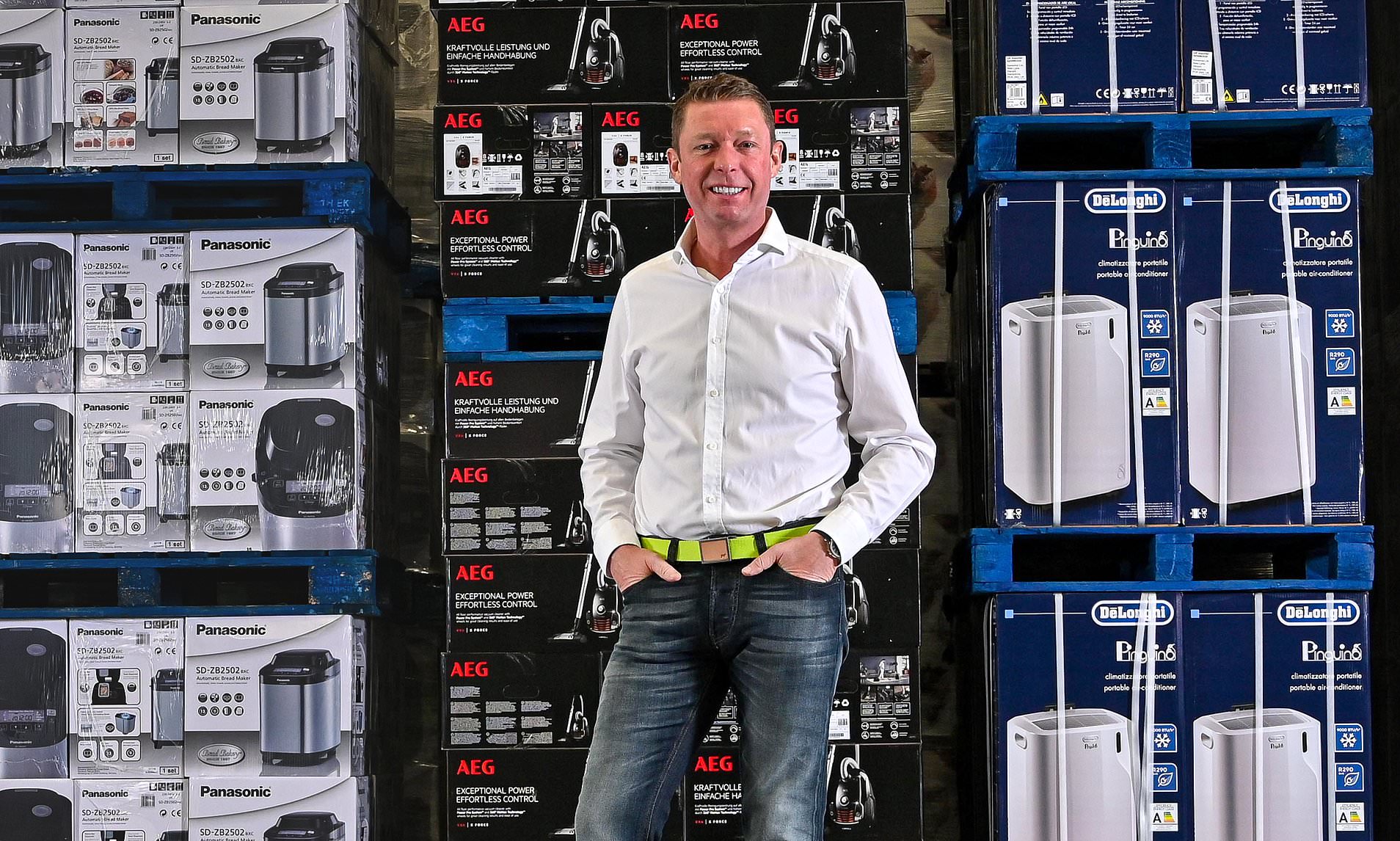
John Roberts, the CEO of AO, has voiced his concerns about the challenges faced by his successful British business in competing against Chinese rivals. He attributes these difficulties to the tax increases introduced by Rachel Reeves, which have placed an additional financial burden on his company.
Last autumn\’s budget imposed an extra £8 million annual charge on AO, a burden that international competitors do not face. Roberts, who started his journey as a \”kitchen king\” by selling discounted fridges and washing machines after a £1 bet with a friend, now finds himself at the helm of a £564 million empire. However, he claims that the UK government is not supporting his business effectively but instead disadvantaging it.
Roberts emphasized that his company employs thousands of people and provides excellent service. He criticized the narrative that continues to focus on taxing wealthy individuals and wasting money. According to him, this approach is driving significant wealth out of the nation.


Despite overcoming a post-pandemic slump and challenges related to international expansion, Roberts warned that the recent rise in National Insurance and the minimum wage are making it harder for businesses like his to remain competitive. He described the situation as putting \”grit\” into businesses, which translates to increased costs and difficulty in maintaining competitiveness.

His comments come as he expressed concerns that Labour\’s financial measures could push Britain into a recession. He noted that the country has experienced several recessions in the past 25 years and believes another one is imminent. Inflation is rising, and businesses are feeling its impact through higher costs. Business leaders are considering ways to reduce their workforce, as recruitment becomes more challenging and less flexible than ever before.
Roberts also accused Labour of driving wealth out of the country by increasing taxes and mismanaging the funds. He argued that the focus should be on running the country efficiently rather than continuously raising taxes. He stressed the need for tough decisions to ensure the country\’s prosperity.
The Treasury defended its tax decisions, stating that they allowed the government to deliver on its priorities, such as investing in the NHS and boosting wages for workers. A statement from the Treasury highlighted the government\’s pro-business stance, including capping corporation tax at 25%, the lowest rate in the G7, reforming business rates, and securing trade deals with the US, EU, and India.
However, Roberts\’ concerns reflect growing objections from businesses that feel they can no longer bear the weight of tax hikes. There are fears of further tax increases in November’s Budget. Dismal economic figures have shown the negative impact of previous tax hikes, particularly the increase in employer national insurance.
The Organisation for Economic Cooperation and Development warned that Britain is set to face the highest inflation among G7 nations this year. Roberts rejected the argument for “day one” rights, which grant workers the same employment protections as long-serving colleagues from the start of their jobs. He argued that the focus should be on job creation rather than implementing policies that make business leaders hesitant to recruit.
He emphasized that if the risks associated with giving someone a chance start to rise exponentially, businesses will think twice about taking that step. Roberts concluded that UK businesses should be \”turbo-charged\” by the government, not disadvantaged by the current policies.