Ondo State vs AAUA Lecturers: A New Crisis in Nigeria\’s Failing Education System
The Unending Cycle of Uncertainty at Adekunle Ajasin University
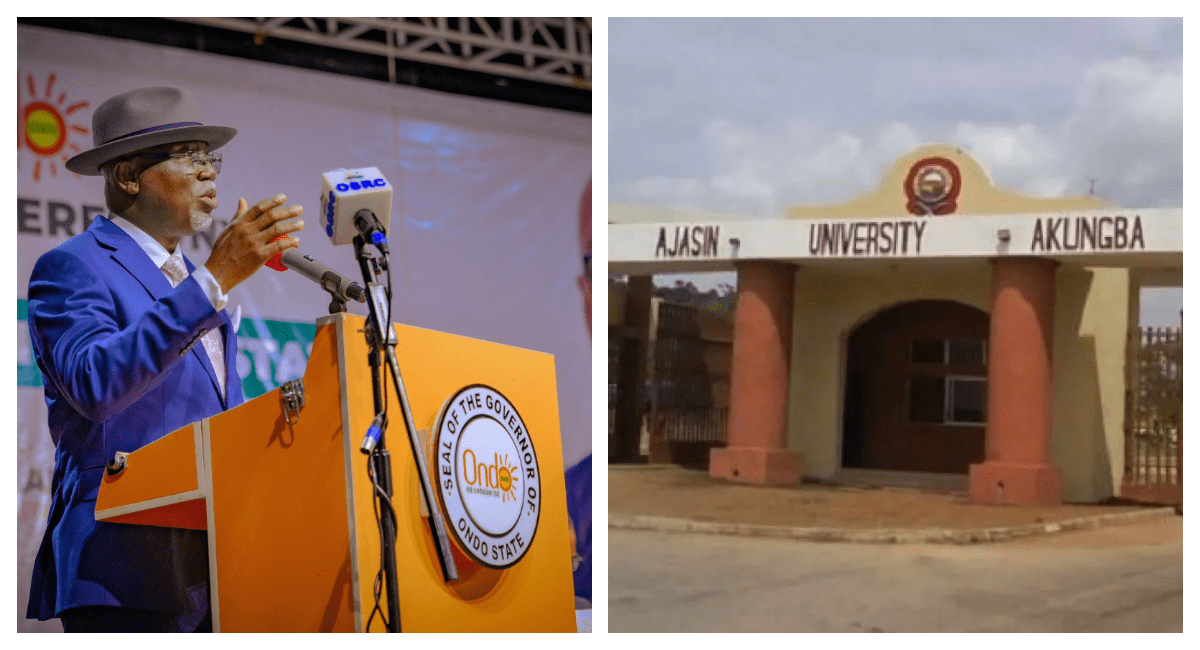
As students of Adekunle Ajasin University, Akungba-Akoko (AAUA), prepared for resumption and the upcoming convocation in October, a sense of hope was once again overshadowed by uncertainty. In just under two months, lecturers at this Ondo State–owned institution are threatening to disrupt academic activities again, this time over unpaid salaries. This situation plunges thousands of students into the same old cycle of disruption, leaving them with more questions than answers.
The Ondo State Government has repeatedly denied abandoning the university, insisting that it remains committed to its development. However, the lecturers at AAUA tell a different story—one filled with months of unpaid salaries and broken promises. For many Nigerian parents and students, this scenario feels all too familiar.
The Salary Crisis: A Growing Concern
The AAUA chapter of the Academic Staff Union of Universities (ASUU) is demanding immediate payment of outstanding salaries. According to the lecturers, their patience has run thin after repeated delays and neglect from the government. The union’s demands highlight a growing frustration among academic staff who feel that their contributions are being overlooked.
Despite the government\’s claims of ongoing support, the reality on the ground tells a different story. The situation at AAUA reflects a broader issue in the Nigerian education system, where financial challenges continue to plague institutions across the country.
Students and Parents Caught in the Crossfire
Behind every strike lies a generation of Nigerian students whose futures are put on hold. At AAUA, undergraduates now face the possibility of missing yet another semester. For some, this means delayed transcripts, graduation, and missed opportunities. For others, it translates into wasted tuition fees and emotional stress.
Parents, who often make unimaginable sacrifices to send their children to university, are left disillusioned. As they watch their children struggle through disrupted academic years, the question arises: what is the point of investing in education if the system fails to deliver?
The Broader Impact on Education
In a country already battling economic challenges, every disruption to education widens the gap between ambition and opportunity. This is why many Nigerian students no longer wait; they are choosing to leave the country in search of better prospects. The journey through educational means is not just about jobs abroad; it’s also about escaping a broken education system at home.
The Politics of Education in Ondo State
The Ondo State Government insists it is not neglecting AAUA. Officials point to ongoing support and argue that the lecturers’ threats are exaggerated. But for the men and women who have not been paid, denial does not solve hunger, nor does it pay their bills. This back-and-forth highlights a deeper Nigerian problem: the politics of education.
Government after government makes promises, but when it’s time to pay lecturers, fund infrastructure, or equip labs, excuses pile up. The lack of consistent funding and support continues to undermine the quality of education and the morale of academic staff.
AAUA’s Struggle Reflects a National Issue
AAUA is not an isolated case. Nigerian universities face similar challenges: chronic underfunding, unpaid salaries, deteriorating facilities, and endless ASUU vs. FG battles. Year after year, the allocated budget remains too small to solve systemic problems. Nigeria still struggles to allocate the right amount for education. Instead, billions are diverted into political projects, while the futures of millions of students are left unattended.
This cycle of underfunding and neglect continues to affect not only the institutions but also the students and families who depend on them. It is a reflection of a larger issue that requires urgent attention and meaningful action from all stakeholders involved.